
Ordering à la carte at a Southeast Asian restaurant works best as a shared meal rather than one dish per person. The usual approach is a mix of textures and temperatures: something dry and spiced, something with broth or sauce, a vegetable dish, rice or noodles, and a sambal or chilli condiment on the side for anyone who wants extra heat. This page runs through the dishes you are most likely to see on a Malaysian, Nyonya or broader Southeast Asian menu in Melbourne, and how to put together a table that works as a group.
Building a shared order
A simple rule of thumb for a table of four: order one protein-heavy dry dish, one dish with sauce or broth, one vegetable or salad dish, and rice to share, then add extras as the table allows. Dishes with sauce, like a curry or braise, are usually meant to be spooned over rice rather than eaten on their own. Dry dishes, like a plate of satay or a rendang that has cooked down until the sauce clings to the meat rather than pools around it, work well as a shared centrepiece. If the table runs hotter than you would like, ask for sambal on the side rather than mixed through, so each person can control their own spice level.
A short dictionary of dishes
Rendang
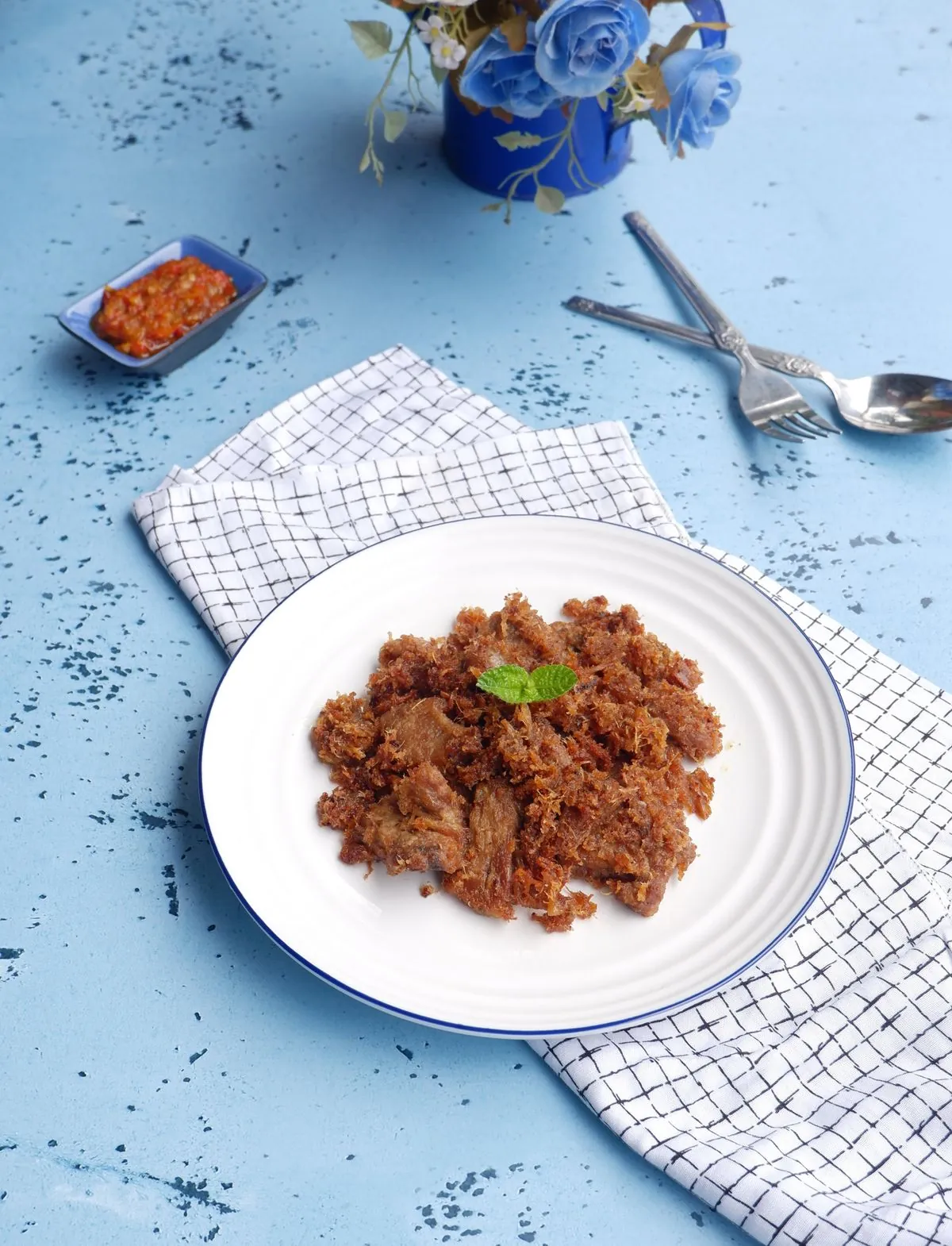
Rendang is meat, usually beef, slow-braised in coconut milk and a thick paste of chillies, lemongrass, galangal and other aromatics until the liquid reduces almost completely and the meat takes on a dark, caramelised coating. It is often described as a dry curry rather than a wet one, and in Malaysia it is a dish strongly associated with festive meals and celebrations.
Laksa
Laksa is a noodle soup built on a spiced paste, and the style varies significantly by region. Coconut-based laksa (laksa lemak), common in Singapore, Malacca and southern Peninsular Malaysia, has a rich, creamy broth. Penang's asam laksa goes the other way, using a tamarind-soured, fish-based broth instead of coconut milk. Nyonya kitchens have their own coconut-based version built around a pounded spice paste of chillies, shallots, lemongrass and shrimp paste.
Satay
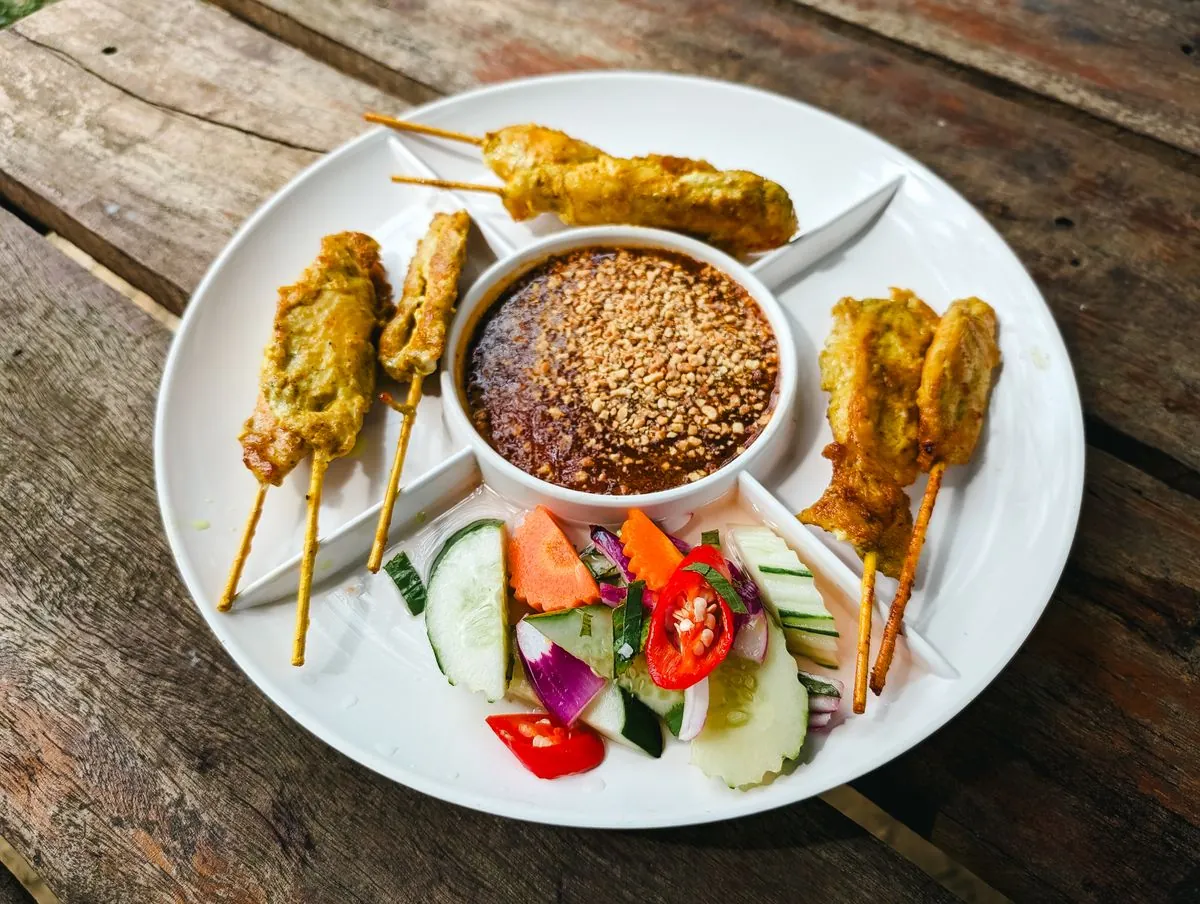
Satay is skewered, grilled meat, usually marinated before cooking, served with a peanut-based dipping sauce and often accompanied by compressed rice cakes and cucumber. Along with nasi lemak and laksa, it is considered one of Malaysia's national dishes, and it is one of the more approachable entry points for anyone new to the cuisine.
Sambal and belacan
Sambal is a broad category of chilli-based condiments rather than a single recipe. Many versions are built around belacan, a fermented shrimp paste that gives the condiment a deep, savoury edge underneath the heat. A simple sambal belacan might be little more than chillies, belacan, lime and sugar pounded together, while other versions add tomato, garlic and shallots for a rounder, less sharply hot result.
Kecap manis
Kecap manis is a thick, dark, sweet soy sauce used across Malaysian and Indonesian cooking, its sweetness coming from palm sugar simmered with soy sauce and spices. It turns up as a glaze on grilled meats, a base for stir-fried noodles, and a dipping sauce alongside fried food, and it is worth asking about specifically if you prefer food on the sweeter rather than saltier side.
Reading the rest of the menu
Beyond this shortlist, Malaysian and Nyonya menus commonly include nasi lemak (coconut rice with sambal, anchovies, peanuts and egg), char kway teow (stir-fried flat rice noodles), and a range of Nyonya-specific dishes built on slow-pounded spice pastes. For a deeper, ingredient by ingredient breakdown of how to read a Malaysian menu, including spice levels and common dietary substitutions, our guide to reading a Malaysian menu goes further than this page.
Ordering for a group with mixed preferences
Most Southeast Asian menus are built for exactly this kind of flexibility. If someone at the table does not eat meat, a vegetable-forward dish and a noodle dish will usually cover them without needing a separate order, and most kitchens can adjust a sambal-based dish to leave out shrimp paste if asked directly. Spice level is also worth raising early rather than after the first dish arrives: most kitchens can dial a dish down, but dialling one up after it has been cooked mild is harder to do well. If a set lunch or fixed menu suits your group better than ordering individually, our guide to set lunches in Melbourne covers how that format compares to ordering à la carte.
 How to Read a Malaysian Menu: Dishes & Ingredients
Malaysian menus can look intimidating if you are not familiar with the terms, mostly…
MENU GUIDE
READ MORE
 Set Lunches in Melbourne: A Guide to Choosing a Menu
A set lunch is a fixed, limited menu offered at a set price, usually running for a…
FRIDAY SET LUNCH
READ MORE
Want to keep exploring? Check out what's on and the full ala carte guide.
WHAT'S ON