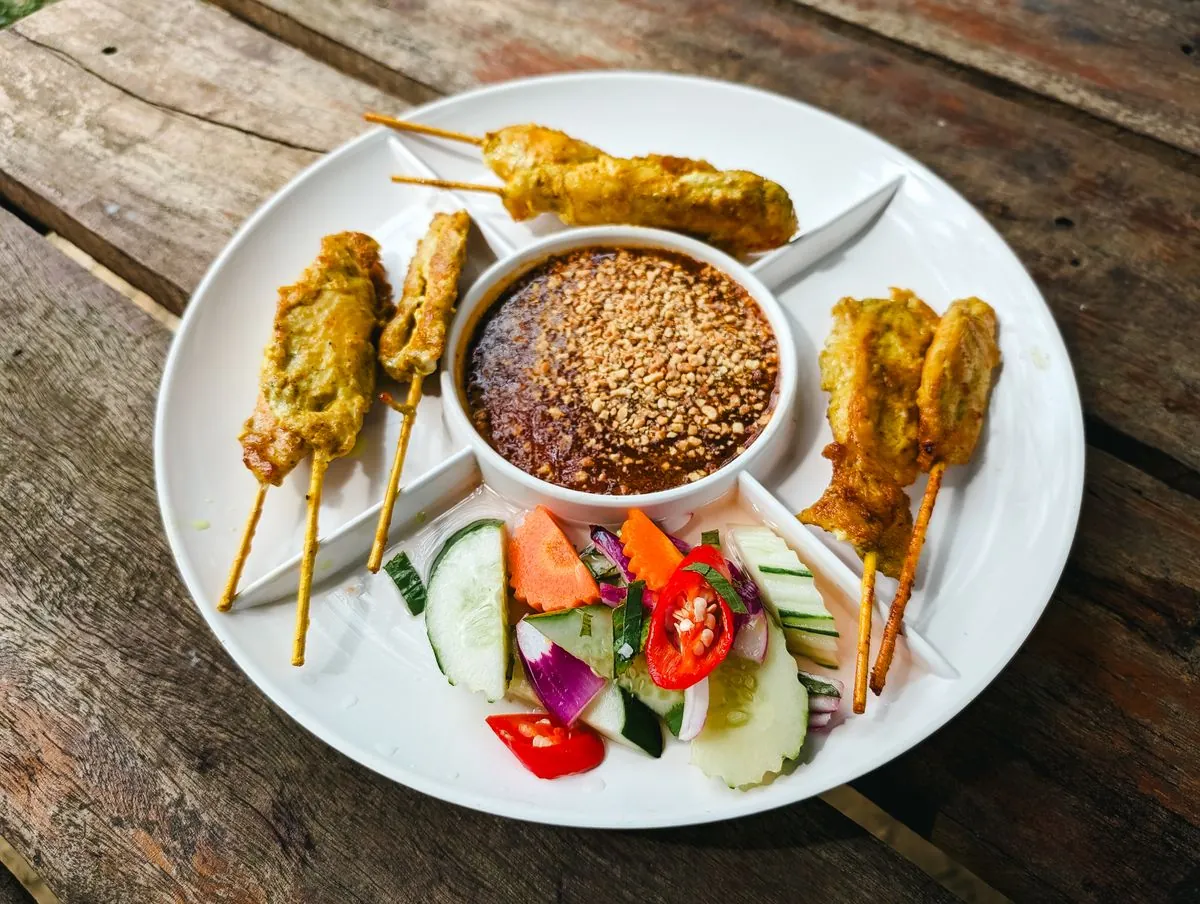
Malaysian menus can look intimidating if you are not familiar with the terms, mostly because dish names are often descriptive rather than translated, bundling an ingredient and a cooking method into a single word. This page is a reading guide: a short glossary of common terms and ingredients, plus some notes on how to read spice levels and dietary requirements without needing to ask about every single dish.
Common menu words worth knowing
| Term | What it means |
|---|---|
| Nasi | Rice, as in nasi lemak (coconut rice) or nasi goreng (fried rice) |
| Goreng | Fried, as in mee goreng (fried noodles) |
| Ayam | Chicken |
| Udang | Prawn |
| Ikan | Fish |
| Sambal | A chilli-based condiment, not a single fixed recipe |
| Belacan | Fermented shrimp paste, used as a flavour base in many sambals and sauces |
| Kecap manis | Thick, sweet soy sauce, sweetened with palm sugar |
| Laksa | A noodle soup, with coconut-based and tamarind-based versions depending on the region |
| Rendang | Meat slow-braised in coconut milk and spice paste until nearly dry |
Ingredients that do most of the flavour work
A handful of ingredients show up across most Malaysian cooking, and recognising them makes menus easier to read even when a dish name itself is unfamiliar. Belacan, the fermented shrimp paste mentioned above, underpins a lot of sambal and sauce bases, even in dishes that otherwise read as vegetable-forward. Galangal and lemongrass are common aromatics in wet dishes and curries. Palm sugar, the base of kecap manis, turns up in both savoury glazes and desserts. If a dish sounds unfamiliar, these are usually the ingredients worth asking about first, since they account for most of the flavour differences between dishes that otherwise look similar on paper.
Reading spice levels
Menus rarely rate spice level consistently, and what one kitchen calls mild can run hotter than another kitchen's medium. Dishes built on sambal or a chilli-heavy paste, including most laksa and rendang-style dishes, are more likely to run hot than dishes built on soy or coconut milk without a chilli paste base, such as many kecap manis-glazed dishes. If you are unsure, it is almost always fine to ask the kitchen to adjust the heat, since most sambal-based sauces are made to order or can have chilli added or held back at the pass.
Dietary requirements
Malaysian cooking leans heavily on shrimp paste and fish sauce as flavour bases, which catches some vegetarians and people with shellfish allergies off guard, since a dish can read as vegetable-based on the menu while still containing belacan in the sauce. If you are vegetarian, vegan, or avoiding shellfish specifically, it is worth asking directly rather than assuming from the dish description alone. Halal requirements are generally more straightforward, since a significant share of Malaysian restaurants in Melbourne operate halal kitchens, though this is still worth confirming with the specific venue rather than assuming.
Nyonya menus specifically
Nyonya, or Peranakan, menus add another layer of vocabulary on top of standard Malaysian terms, since the cuisine blends Chinese technique with Malay and Indonesian ingredients. Dishes like ayam buah keluak (chicken with a dark, earthy nut) or kueh pie tee (small pastry shells filled with vegetables and prawn) do not always come with an obvious English description, so a Nyonya menu is one of the few places where asking the kitchen directly is genuinely the fastest way to understand what you are ordering.
Putting it into practice
Once the terms make sense, reading a menu becomes a matter of picking a reasonable spread rather than decoding every word. Our guide to Southeast Asian dishes worth ordering walks through how to build a shared order across a table, and if a set menu suits your group better than ordering individually, our guide to set lunches in Melbourne explains how that format usually works and what tends to be included.