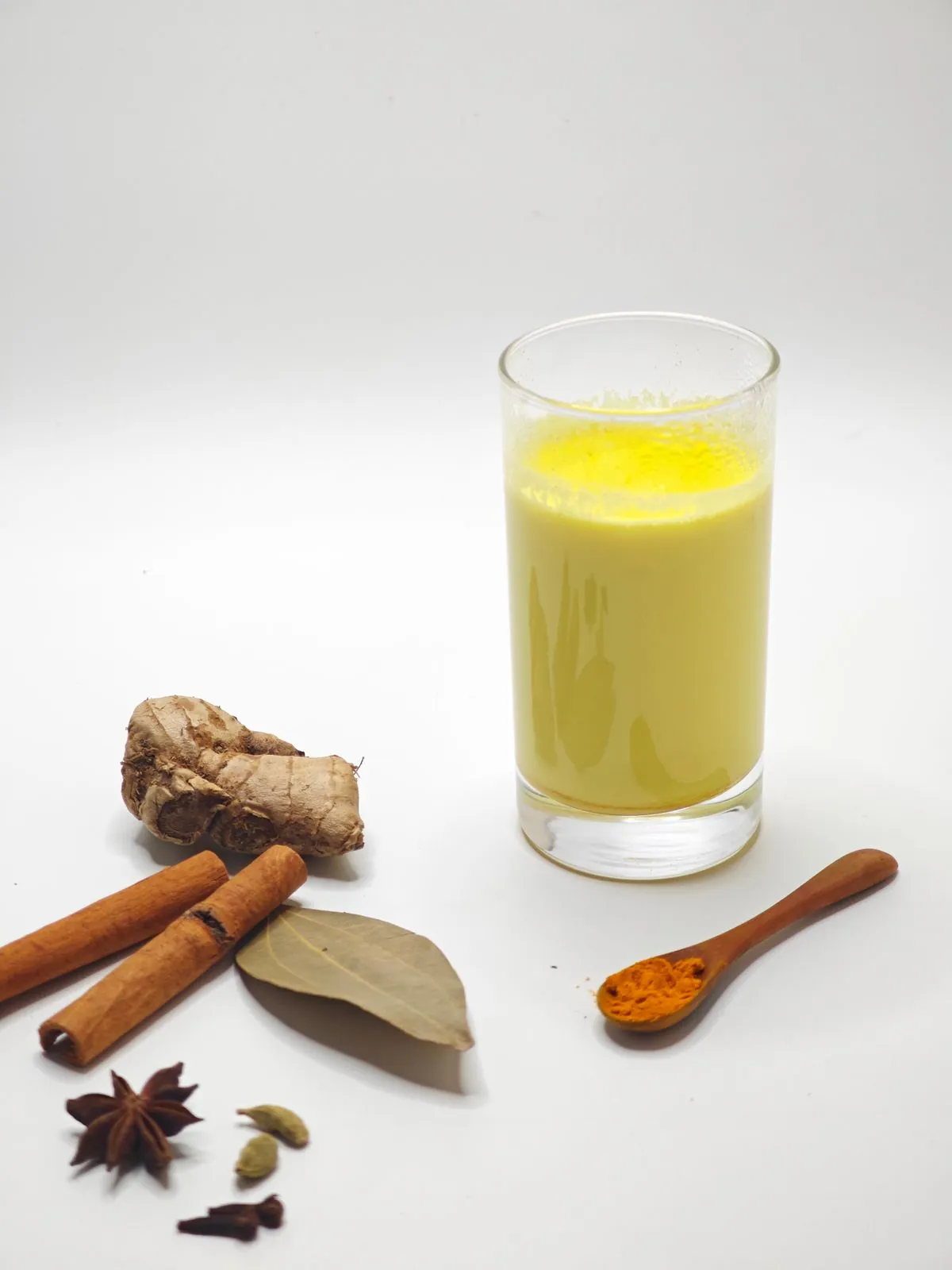
Jamu is a traditional Indonesian herbal drink made from roots, bark, leaves and fruit such as turmeric, ginger and tamarind, brewed as a daily tonic rather than a dessert drink or a cocktail. It has nothing to do with restaurants or dining venues that borrow the word jamu as a name, including the former Richmond restaurant this site covers the history of. The drink itself is centuries old, regional in its recipes, and still sold fresh on the streets of Indonesia today.
What is jamu, in simple terms?
Jamu is a category of traditional herbal preparations from Indonesia, most commonly drunk as a liquid tonic rather than eaten. It sits closer to a herbal remedy than to a soft drink, and Indonesian households have historically treated it as part of everyday wellness rather than something reserved for when you are unwell. The word covers a huge range of recipes rather than one fixed drink, which is part of why descriptions of "jamu" can vary so much between sources.
What ingredients actually go into jamu?
Most jamu recipes draw from a shared pantry of roots, rhizomes, leaves, bark, seeds and fruit. Turmeric and tamarind are two of the most recognisable, combined in a drink called kunyit asam, which is typically sweetened with palm sugar and drunk cold. Another common variety, beras kencur, is built from rice and kencur, an aromatic member of the galangal family, giving it a milder, slightly sweet profile. Ginger, galangal and tamarind reappear across many other recipes, which is why jamu often reads as warm and citrusy even when the exact ingredient list changes from seller to seller.
| Variety | Core ingredients | Typical flavour |
|---|---|---|
| Kunyit asam | Turmeric, tamarind, palm sugar | Tart, earthy, lightly sweet |
| Beras kencur | Rice, kencur (aromatic galangal), ginger | Mild, fragrant, slightly sweet |
| Temulawak-based jamu | Javanese turmeric (temulawak), ginger | Earthy, slightly bitter |
Where does the name and the tradition come from?
Jamu's roots are generally traced back to ancient Java, with some accounts pointing to the Mataram Kingdom period, roughly the 8th to 10th centuries, as when the practice took shape in royal courts before spreading into villages through traditional healers. Reliefs at the Borobudur temple are sometimes cited as showing people grinding ingredients with mortar and pestle alongside figures interpreted as healers and drink sellers, though that reading is an interpretation of the carvings rather than a confirmed written record. What is better documented is the way recipes were passed down through families by word of mouth over generations, which is also why regional variation is so wide across the Indonesian archipelago.
How is traditional jamu sold and served?
In Indonesia, jamu is still sold fresh, often by women known as jamu gendong who carry bottles of different preparations in a basket on their back and sell door to door or on street corners. A 2012 survey by Indonesia's Ministry of Health recorded thousands of distinct regional jamu recipes across the archipelago, which gives some sense of how localised the tradition remains even today. Jamu was recognised on UNESCO's Intangible Cultural Heritage list in December 2023, a sign of how seriously the practice is treated as living cultural knowledge rather than a historical curiosity.
Is jamu the same thing as the JAMU restaurant in Richmond?
No. The word jamu is the name of the herbal drink described above, and it was also used as the name of a Southeast Asian restaurant that previously operated on Palmer Street in Richmond. This site, Jamuan Melbourne, is an independent dining guide, not that restaurant, and we do not take bookings or sell gift cards under that name. If you are curious about the restaurant's own history and how the name was used there, our history of JAMU in Richmond covers that separately, and keeps the two subjects, the drink and the former restaurant, clearly apart.
Why does this site talk about jamu at all?
We cover jamu because the name of this guide comes from the same word, and readers often arrive expecting either the drink or the old restaurant. We would rather explain the real drink accurately than let the name sit unexplained. If you want to see how the word and the format show up elsewhere on this site, our explainer on bottomless brunch and dinner formats and our guide to Southeast Asian dishes worth ordering both sit under the same name but cover dining formats and dishes, not the herbal drink itself.
A short list of things worth knowing if you come across jamu in Melbourne, whether at an Indonesian grocer, a market stall or a friend's kitchen:
- Expect an earthy, slightly bitter or tart flavour rather than something sweet in the way a soft drink is sweet.
- Fresh jamu is usually sold chilled or at room temperature, not hot.
- Recipes vary a great deal by region and by seller, so one bottle of kunyit asam will not taste identical to another.
- It is a herbal tonic with a long cultural history, not a medically regulated product, so treat specific health claims about it with caution.